Fresh Hormuz Tension Tests Freight Quote Accuracy
May 27th 2026 | 3 Min Read
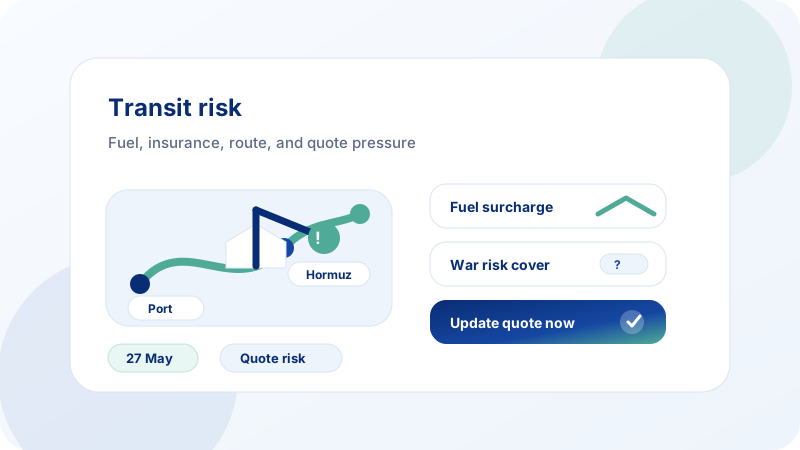
Fresh tension around the Strait of Hormuz is again testing how quickly freight pricing teams can respond. Reports of new US defensive strikes near Bandar Abbas, disputed traffic arrangements, and a rebound in oil pricing all point to the same operational issue: quotes built on yesterday’s fuel, insurance, and routing assumptions may already be out of date.
Why Transit Risk Becomes Pricing Risk
When vessels slow, turn back, wait for instructions, or avoid a route altogether, the cost impact does not stay confined to one lane. Fuel surcharges, war-risk insurance, capacity commitments, demurrage exposure, and schedule recovery costs can all shift before a formal rate notice reaches the customer.
What Pricing Teams Should Recheck Today
- Review open quotes on lanes exposed to Gulf, Middle East, and connected Asia-Europe capacity pressure.
- Check whether fuel surcharge tables reflect current market movement rather than the last weekly update.
- Confirm that war-risk insurance, security fees, and rerouting assumptions are visible in quote calculations.
- Model customer delivery commitments against slower transit, port waiting time, or service withdrawal scenarios.
- Separate short-term disruption charges from base-rate changes so commercial teams can explain the movement clearly.
How AccuRate Helps
Static quote templates struggle when market risk is moving by the hour. If fuel, insurance, or route assumptions are hidden in spreadsheets, teams may only discover the margin impact after the shipment has moved.
AccuRate helps pricing teams keep disruption-sensitive inputs current, compare route options, and protect margin when freight conditions change faster than manual quote processes can keep up.