Hormuz Reopening Creates a New Surcharge Problem
June 24th 2026 | 3 Min Read
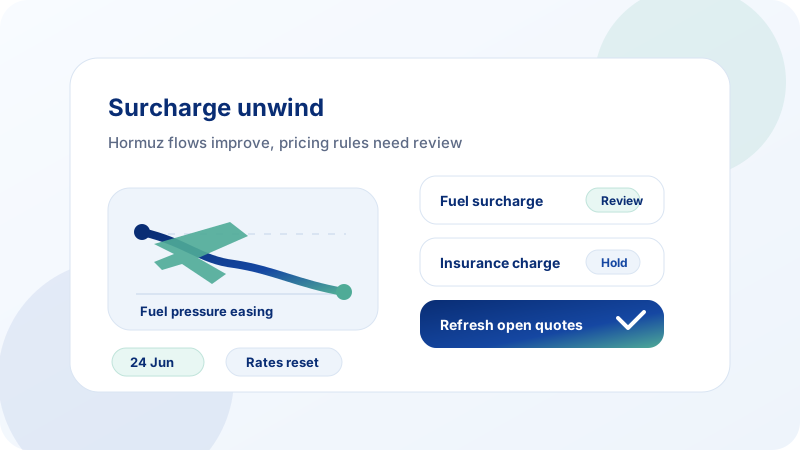
Oil prices are falling as more tankers move through the Strait of Hormuz, but pricing teams should not treat today’s market shift as a simple return to normal. Fuel, war-risk insurance, vessel routing, and capacity assumptions moved sharply during the Iran war. Now the challenge is deciding which disruption charges unwind, which remain, and which quotes need to be refreshed before they reach customers.
Why Falling Oil Does Not Remove Pricing Risk
Lower crude prices can reduce pressure on fuel surcharges, but they do not automatically reset the full cost stack. Some vessels are still dealing with route restrictions, insurance conditions, congestion, and operational recovery costs. If teams remove surcharges too quickly, they risk underquoting. If they leave them in place too long, they risk losing competitive bids.
What Pricing Teams Should Update Now
- Review fuel surcharge tables against current market movement, not the peak disruption period.
- Separate fuel, insurance, delay, and route-risk charges so each can be adjusted independently.
- Check open quotes issued during the disruption window before customers accept outdated pricing.
- Compare direct and alternate route assumptions where vessel schedules are still recovering.
- Track when temporary emergency charges should expire, reduce, or remain active by lane.
How AccuRate Helps
Market recovery can be just as difficult to price as market shock. The risk shifts from missing rising costs to leaving old assumptions inside quotes after conditions change.
AccuRate helps freight pricing teams update surcharges, compare route options, and keep quote logic aligned with the latest market conditions without relying on manual spreadsheet clean-up.